

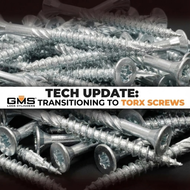
GMS Switching from Phillips to Torx Screws: What It Means for Locksmiths
Dec 24th 2025
The locksmith industry is constantly evolving, and even small hardware changes can have a big impact on day-to-day work. One recent change drawing attention is GMS (Lock Cylinders) moving from traditional Phillips head screws to Torx screws on many of their lock products. While this may seem like a minor design update, it has important implications for locksmiths in the field.
In this article, we’ll break down why GMS made the switch, how Torx screws differ from Phillips screws, and what locksmiths need to know to stay prepared.
Why GMS Is Switching to Torx Screws
GMS is known for producing affordable, widely used lock hardware, especially in commercial and residential applications. The move from Phillips head screws to Torx (star-shaped) screws reflects a broader trend in the hardware and security industry.
Key reasons behind the change include:
-
Improved torque control – Torx screws are designed to handle higher torque without stripping.
-
Reduced cam-out – Unlike Phillips screws, Torx drivers are less likely to slip during installation or removal.
-
Increased durability – Screws and drivers last longer under repeated use.
-
Enhanced security – Torx screws offer mild resistance to casual tampering compared to Phillips.
For manufacturers like GMS, these benefits lead to fewer warranty issues, cleaner installations, and better long-term performance.
Phillips vs. Torx Screws: A Quick Comparison
Understanding the differences helps locksmiths adapt quickly.
Phillips Head Screws
-
Designed to cam out under high torque
-
Easier to strip over time
-
Common and widely available
-
Familiar to most locksmiths
Torx Screws
-
Star-shaped design distributes force evenly
-
Allows higher torque without damage
-
Less wear on drivers and screws
-
Requires specific Torx drivers (T15, T20, etc.)
For locksmiths, the biggest change is tool compatibility.
How This Change Affects Locksmiths
1. Tool Kit Updates Are Now Essential
Locksmiths who primarily rely on Phillips screwdrivers will need to add Torx drivers or bits to their everyday kits. Common Torx sizes used in lock hardware include:
| Torx Size | Product Description | Implementation Status |
| T8 | Mortise Standard / ICM, ICT, SCM | Fully Implemented |
| T6 | ICR (Interchangeable Core) | Fully Implemented |
| T15 | Rim Mounting / LFICP | Recently Implemented |
| T9 | ICM Security | Recently Implemented |
| T8 | Mortise Ext | Transition TBD (Using old stock) |
| T15 | ICS | Transition TBD (Using old stock) |
| T25 | Profile Cylinder | Transition TBD (Using old stock) |
Failing to have the right driver on hand can slow down installations, rekeys, or emergency lock service calls.
2. Faster, Cleaner Installations
Once properly equipped, many locksmiths find Torx screws easier and faster to work with. There’s less slipping, fewer stripped screw heads, and better control—especially when working with power drivers.
This can lead to:
-
Reduced job time
-
Fewer call-backs due to loose hardware
-
Cleaner professional results
3. Fewer Stripped Screws in the Field
Anyone who has serviced older GMS hardware knows how common stripped Phillips screws can be—especially on high-use doors. Torx screws significantly reduce this problem, which is a major win for locksmiths handling repairs or retrofits.
4. Slight Learning Curve for Newer Locksmiths
While experienced locksmiths will adapt quickly, apprentices and newer technicians may need basic training on Torx sizing and proper torque usage. Using the wrong Torx size can still damage a screw, so attention to detail remains important.
5. Impact on Emergency and Mobile Locksmith Services
Mobile locksmiths, in particular, must ensure their service vehicles are stocked correctly. Showing up to a job without Torx tools could mean:
-
Delays
-
Return trips
-
Reduced customer satisfaction
Adding a compact Torx bit set is an easy fix that prevents these issues.
Does This Improve Lock Security?
While Torx screws are not a high-security fastener, they do offer modest benefits:
-
Casual attackers are less likely to have Torx tools
-
Reduced chance of vandalism or tampering
-
More secure mounting over time
It’s important to note that Torx screws do not replace security screws (such as pin-in Torx or proprietary fasteners), but they are a step up from Phillips in everyday applications.
What Locksmiths Should Do Now
To stay ahead of this change, locksmiths should:
✅ Add Torx drivers and bits to all tool kits
✅ Stock common Torx sizes used by GMS
✅ Inform technicians and apprentices about the update
✅ Expect similar changes from other lock manufacturers
As more brands follow GMS’s lead, Torx screws may soon become the new standard in lock hardware.
Final Thoughts
GMS switching from Phillips to Torx screws may seem like a small design change, but for locksmiths, it has real-world implications. From tool preparedness and job efficiency to reduced hardware damage, this shift ultimately benefits professionals who stay equipped and adaptable.
As the locksmith industry continues to modernize, keeping up with hardware changes like this ensures smoother jobs, happier customers, and a more professional result overall.